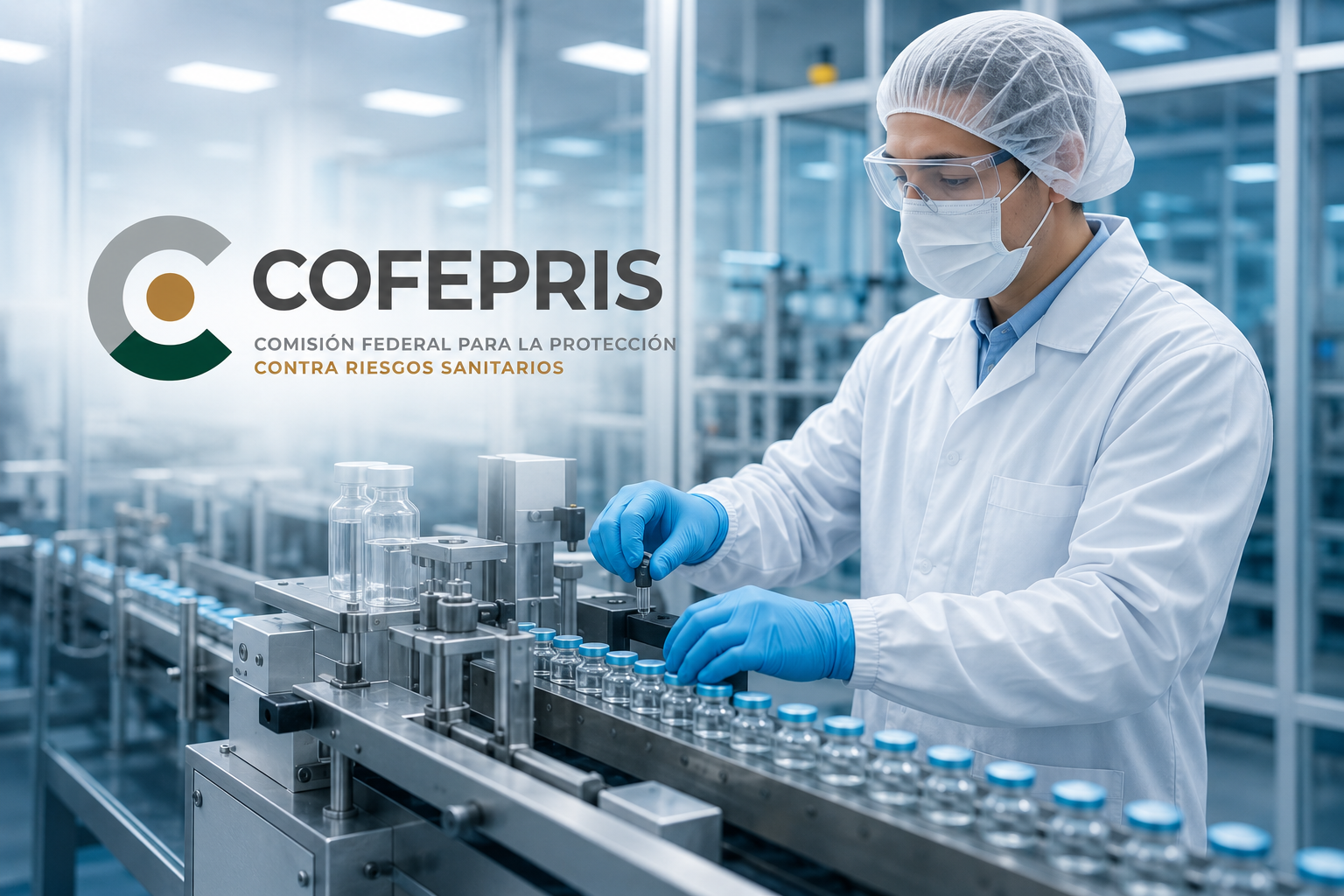
Mexico and Canada are driving a new era of pharmaceutical cooperation, advanced manufacturing, and digital healthcare. Discover why Mexico is positioning itself as a strategic hub for foreign investment in medical devices, healthcare supplies, and resilient supply chains across North America.
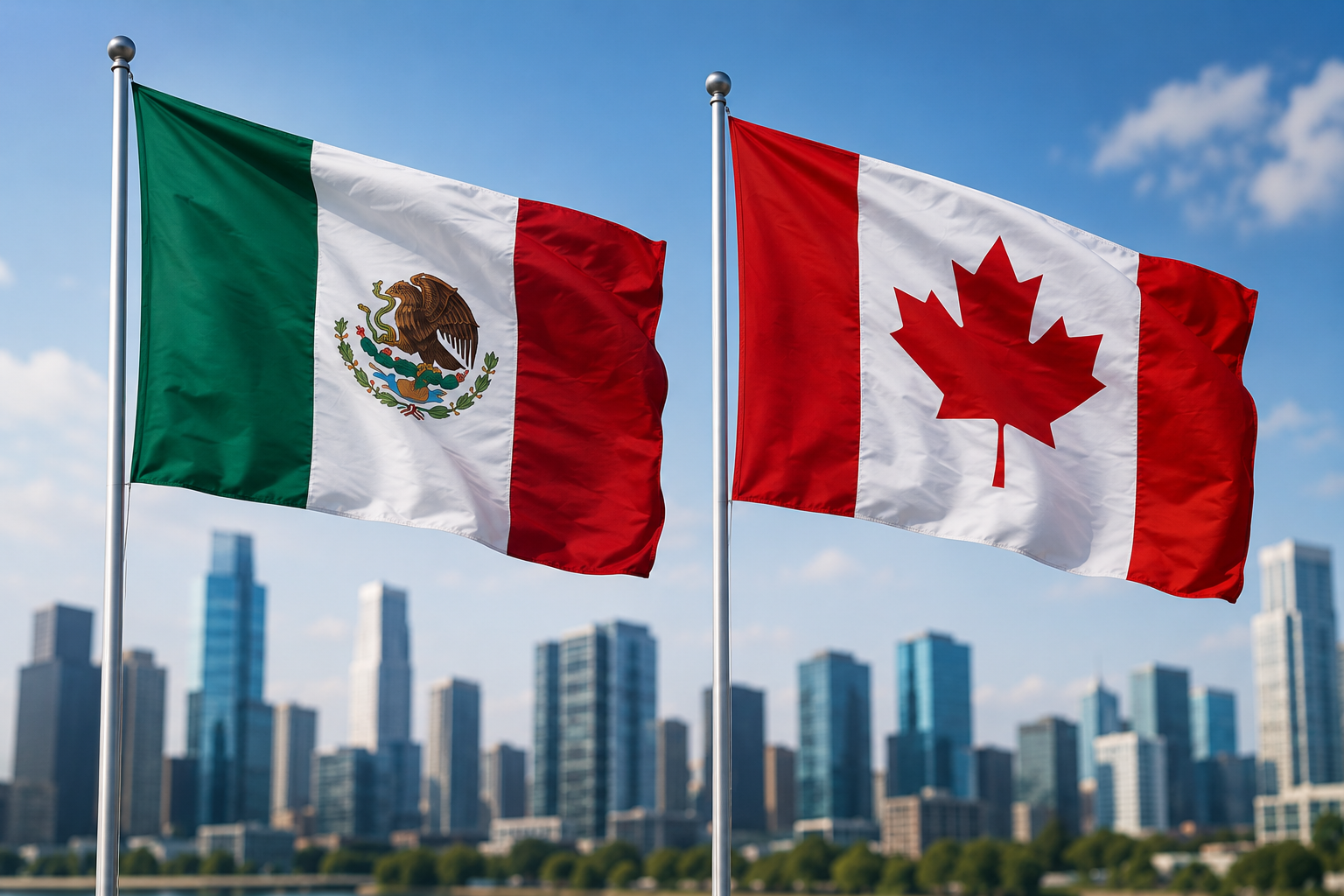
Mexico Is Emerging as North America’s New Strategic Healthcare Hub
Mexico’s pharmaceutical and medical device industry is entering a new phase of growth, international expansion, and regulatory strengthening. The recent trade mission between Mexico and Canada marks a turning point for the North American healthcare ecosystem, opening unprecedented investment opportunities for foreign companies interested in pharmaceutical manufacturing, medical devices, active pharmaceutical ingredients (APIs), digital health, and resilient supply chains.
During this trade mission led by Mexico’s Ministry of Economy, Ministry of Health, and COFEPRIS, both countries consolidated strategic agreements focused on innovation, advanced manufacturing, research, healthcare digitalization, and the development of highly specialized talent.
Beyond a diplomatic collaboration, this alliance sends a clear message to global investors: Mexico is accelerating its position as a key platform for healthcare sector expansion in North America.
Why Is This Mexico-Canada Alliance So Important?
The current global landscape is reshaping international supply chains. The pandemic, geopolitical tensions, and the need to reduce dependence on Asian markets have forced governments and companies to rethink their manufacturing and sourcing strategies.
In this environment, Mexico stands out as one of the world’s best-positioned countries thanks to five strategic advantages:
- Privileged geographic location.
- Trade integration through the USMCA.
- Competitive operational costs.
- Highly specialized manufacturing talent.
- Strengthening of COFEPRIS regulatory frameworks.
The bilateral cooperation with Canada confirms that the healthcare sector will become one of the top priorities for industrial relocation and nearshoring in the coming years.
Additionally, the signed agreements cover high-value sectors such as:
- Advanced pharmaceutical manufacturing.
- API production.
- Digital health.
- Digital pathology.
- Medical innovation.
- Chronic diseases and mental health.
- Research and development.
- Specialized workforce training.
Mexico: The New Epicenter of Pharmaceutical Nearshoring
For years, Asian countries dominated global pharmaceutical manufacturing. However, worldwide logistics disruptions exposed the vulnerabilities of relying on distant supply chains.
Today, international companies are seeking to relocate production and operations closer to the United States and Canada.
This is where Mexico becomes a major strategic player.
The combination of geographic proximity, trade agreements, and manufacturing expertise makes Mexico a highly competitive option for:
- Pharmaceutical plants.
- Distribution centers.
- Specialized laboratories.
- Medical device assembly.
- Healthcare supply production.
- Clinical research centers.
The recent CAD $2 billion Canadian investment to build an active pharmaceutical ingredient manufacturing plant in Hidalgo clearly demonstrates this trend.
These types of investments not only strengthen the national industry but also create favorable conditions for new foreign investors seeking to capitalize on the healthcare sector’s rapid growth.
COFEPRIS: A Key Factor for International Confidence
One of the most important elements for foreign companies is Mexico’s regulatory evolution.
COFEPRIS has become an increasingly internationally aligned regulatory authority, streamlining processes and strengthening confidence among global investors.
Currently, the agency regulates sectors equivalent to nearly 10% of Mexico’s GDP, including:
- Pharmaceuticals.
- Medical devices.
- Biotechnology.
- Laboratories.
- Healthcare import and export operations.
- Health services.
- Clinical trials.
- Healthcare advertising.
For foreign companies, this represents a major advantage:
Mexico not only offers competitive costs but is also building a stronger, more modern, and reliable regulatory environment.
The cooperation with Canada further strengthens this international perception, especially for companies interested in certifications, regulatory compliance, and regional expansion.
Opportunities for Foreign Investors in Mexico
1. Advanced Pharmaceutical Manufacturing
Mexico has a mature industrial infrastructure capable of supporting complex pharmaceutical operations.
This includes:
- Drug manufacturing.
- Specialized packaging.
- GMP-certified laboratories.
- API production.
- Biotechnology.
- Medical equipment manufacturing.
Its proximity to the United States significantly reduces logistics times and operational costs.
2. Medical Devices
Mexico is one of the world’s leading exporters of medical devices.
States such as:
- Baja California
- Jalisco
- Nuevo León
- Chihuahua
- State of Mexico
have developed highly specialized industrial clusters that allow rapid scalability for international manufacturers.
Additionally, integration with North American supply chains facilitates exports to the United States and Canada under preferential USMCA conditions.
3. Digital Health and Medical Technology
The trade mission also highlighted projects related to:
- Digital pathology.
- Artificial intelligence in healthcare.
- Digital medical platforms.
- Chronic disease solutions.
- Remote monitoring systems.
This demonstrates that Mexico is not only competitive in manufacturing but also in technological innovation for the healthcare industry.
4. Clinical Research and Development
Mexico offers:
- A large population base.
- Hospital infrastructure.
- Highly trained medical professionals.
- Competitive clinical trial costs.
These conditions make the country an attractive destination for international clinical research.
ISO Certifications: The Gateway to Global Markets
For investors and international manufacturers, ISO certifications remain essential for competing in global markets.
Among the most relevant certifications for the healthcare sector are:
ISO 13485
Specialized in quality management systems for medical devices.
It helps companies:
- Improve traceability.
- Ensure quality standards.
- Facilitate exports.
- Meet international regulatory requirements.
ISO 9001
Focused on organizational quality management.
It strengthens:
- Internal processes.
- Operational efficiency.
- Documentation management.
- Customer satisfaction.
ISO 14971
Related to risk management for medical devices.
It is especially relevant for international manufacturers seeking access to regulated markets.
Good Manufacturing Practices (GMP)
GMP standards remain one of the most important requirements in the pharmaceutical and medical device industries.
Mexico has significantly strengthened its adoption and regulatory oversight in this area.
Mexico and Canada: A Strategy for the New Global Environment
The bilateral alliance also responds to growing international uncertainty and the upcoming USMCA review.
Both countries seek to strengthen:
- Economic resilience.
- Supply chain security.
- Regional integration.
- Industrial innovation.
- Competitiveness against Asia.
This environment creates favorable conditions for international companies looking to establish strategic operations in North America.
The trend is clear:
Healthcare supply chains are shifting toward regionalized models.
And Mexico is emerging as one of the biggest beneficiaries.
Competitive Advantages of Investing in Mexico
Strategic Location
Mexico directly connects with the United States and Canada through highly developed logistics infrastructure.
Trade Agreements
The country has preferential access to more than 50 countries through multiple international trade agreements.
Specialized Workforce
Mexico has highly skilled talent in:
- Medical manufacturing.
- Engineering.
- Regulatory affairs.
- Industrial automation.
- Clinical research.
Competitive Operating Costs
Labor and operational costs remain significantly lower than in the United States and Canada.
Consolidated Industrial Ecosystem
Mexico has specialized clusters in:
- Medical devices.
- Pharmaceuticals.
- Biotechnology.
- Medical electronics.
- Specialized logistics.
The Future of Mexico’s Pharmaceutical Industry
Everything indicates that Mexico will experience historic expansion in the healthcare sector over the coming years.
The signals are clear:
- Increased foreign investment.
- Industrial relocation.
- Regulatory strengthening.
- International cooperation.
- Healthcare digitalization.
- Advanced manufacturing growth.
The collaboration with Canada is accelerating this transformation even further.
Companies entering the Mexican market today could strategically position themselves ahead of the next major regional growth cycle.
What Should Investors Consider Before Entering the Mexican Market?
Although Mexico offers enormous opportunities, developing the right strategy remains essential.
Key considerations include:
- COFEPRIS regulatory compliance.
- ISO certifications and GMP standards.
- Legal and tax structure.
- Local strategic partnerships.
- Supply chain validation.
- Import/export strategies.
- Healthcare documentation management.
- Product sanitary registrations.
Working with local experts in regulatory affairs and healthcare commercialization can significantly accelerate market entry.
FAQs
Why is Mexico attractive for the pharmaceutical industry?
Because of its strategic location, competitive costs, USMCA integration, and strengthening regulatory framework led by COFEPRIS.
Which sectors have the greatest growth potential?
Medical devices, APIs, advanced pharmaceutical manufacturing, digital health, clinical research, and biotechnology.
What is COFEPRIS?
COFEPRIS is Mexico’s health regulatory authority responsible for overseeing pharmaceuticals, medical devices, healthcare supplies, and sanitary risks.
Which certifications are important for investing in Mexico?
ISO 13485, ISO 9001, ISO 14971, and GMP compliance are among the most relevant certifications for healthcare companies.
What advantages does the USMCA provide?
It facilitates trade and productive integration between Mexico, the United States, and Canada while reducing trade barriers and strengthening supply chains.
What opportunities does nearshoring create?
It allows companies to relocate manufacturing and operations closer to North America, reducing logistics costs and improving operational resilience.
Does Mexico have experience in medical devices?
Yes. Mexico is one of the world’s leading exporters of medical devices and has highly specialized industrial clusters.
What types of companies can benefit?
Pharmaceutical manufacturers, medical device companies, biotechnology firms, digital health startups, laboratories, and healthcare-focused investment funds.
Conclusion
The recent cooperation between Mexico and Canada marks the beginning of a new era for the pharmaceutical and medical device industry in North America.
Mexico is no longer simply a competitive manufacturing alternative: it is becoming a strategic center for innovation, regulatory excellence, digital healthcare, and advanced pharmaceutical production.
The strengthening of COFEPRIS, international investments, nearshoring, and regional integration under the USMCA are creating a highly attractive environment for foreign investors.
For global healthcare companies, this is a critical moment to evaluate expansion, manufacturing, and commercialization opportunities in Mexico.
The transformation has already begun.
And companies that enter early will gain a significant competitive advantage in the new global healthcare landscape.